Posted on Leave a comment

Exploring the Types of Hats: A Journey Through History and Fashion

Hats have been an integral part of human attire for centuries, serving various purposes—from protection against the elements to symbols of social status and fashion. The types of hats available today are vast and varied, each with its own unique history and cultural significance. This article will delve into some popular types of hats, highlighting their historical roots, vintage styles, and modern resurgence in popularity.

Historically, hats have been worn by people from all walks of life. In earlier days, they were practical items meant to shield the head from the sun or cold. As civilizations evolved, so too did the significance of headwear. In the Middle Ages, for instance, knights wore specific types of hats, such as helmets and coifs, to denote their status and role in society. By the 17th and 18th centuries, hats began to evolve into fashionable accessories, with various styles emerging to reflect social standing.

One of the most iconic types of hats is the tricorn, popular during the 18th century among European aristocrats. Its distinctive three-cornered design became synonymous with the fashion of the time, often embellished with ribbons and cockades. Another notable style is the top hat, which rose to prominence in the 19th century. Worn by the upper class, the tall, cylindrical shaped, top hat, was a symbol of sophistication and elegance, often seen at formal events and occasions.

As the 20th century unfolded, hats continued to evolve, giving rise to numerous vintage styles. The fedora, for instance, became a staple for men in the early 1900s, often associated with gangsters and Hollywood icons like Humphrey Bogart. Similarly, the cloche hat emerged in the 1920s as a fashionable choice for women, its close-fitting design signifying the freedom and liberation of the flapper era. Each of these types of hats tells a story, reflecting the cultural shifts and fashion trends of their respective times.

However, as the mid-20th century approached, the popularity of hats began to decline, largely due to changing fashion norms that favored more casual attire. Many men and women abandoned hats altogether, relegating them to formal events or specific occupations. But as we moved into the 21st century, a remarkable renaissance in hat fashion began to unfold, highlighting the enduring appeal of various types of hats.

Today, a diverse range of styles is making a comeback. Baseball caps, once considered merely casual wear, have gained popularity as a fashion statement, embraced by urban street style and youth culture. Similarly, beanies have become fashionable accessories in colder months, often adorned with unique patterns and embellishments. Bucket hats, once primarily worn for practicality, have found a place in modern fashion, praised for their laid-back vibe and versatility.

The resurgence in the popularity of different types of hats can also be attributed to the influence of social media and fashion icons. Many celebrities and influencers showcase hats in their outfits, encouraging followers to incorporate headwear into their daily looks. Additionally, vintage fashion enthusiasts are reinvigorating classic styles, blending contemporary aesthetics with timeless designs.

The rich history of hats illustrates their multifaceted role in society, while the variety of types of hats available today showcases the creativity and evolution of fashion. From vintage styles that evoke nostalgia to modern trends that celebrate individuality, hats remain a powerful accessory for self-expression. Whether it’s a classic fedora or a trendy bucket hat, headwear continues to capture the interest of fashion-forward individuals around the globe, proving that hats are more than just accessories—they are timeless pieces of art and identity.
Posted on Leave a comment

Hats for Men: A Historical Perspective and Modern Resurgence

Men's hats

Hats for men have adorned heads throughout history, serving not just as practical accessories but also as significant cultural symbols. From the wide-brimmed hats worn by ancient civilizations to the stylish fedoras of the early 20th century, hats have long been a staple in men’s fashion. Over the years, the styles, uses, and perception of hats have evolved, illustrating their dynamic role in male attire.

Historically, hats for men date back thousands of years. In ancient Egypt, men wore linen headpieces not only for protection against the sun but also to signify their status. Similarly, the Greeks and Romans wore a variety of hats, often indicating their societal roles. During the Middle Ages, hats became integral to one’s social identity, with styles varying widely between the classes. The Hat’s prominence surged in the 17th century, when European men sported elaborate designs, often adorned with feathers and jewels, as a display of wealth and prestige.

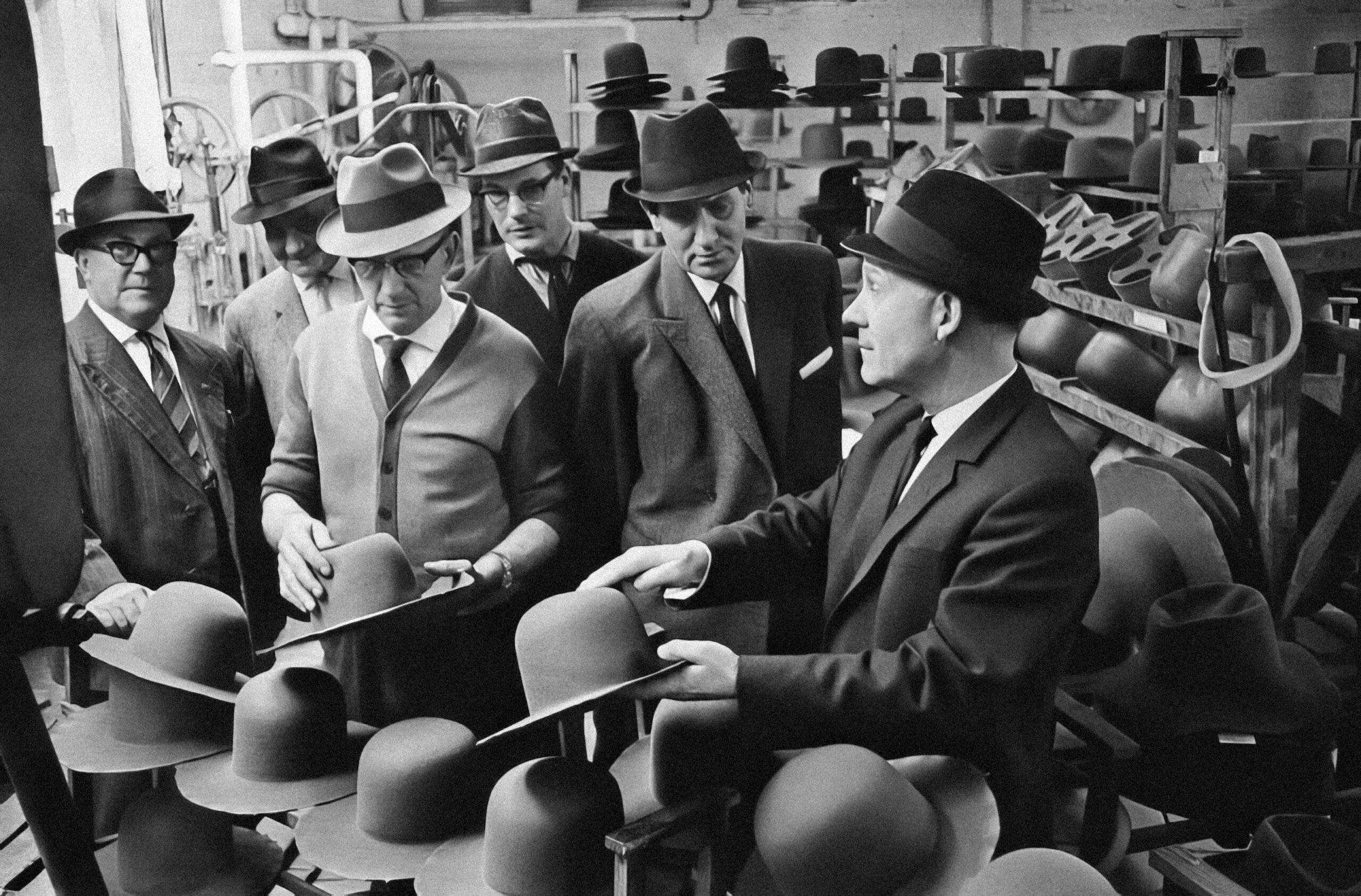
The 19th and early 20th centuries marked a golden age for hats. The bowler and top hats became essential for gentlemen, while the flat cap and newsboy cap gained popularity among the working class. These styles were not only functional, providing warmth and protection but also served as a reflection of social status and fashion. During this period, hats for men became synonymous with formal wear and societal expectations.

However, the mid-20th century saw a decline in hat-wearing, particularly in Western fashion. The rise of casual attire and changes in social norms contributed to this trend. By the 1960s, hats were largely viewed as old-fashioned, relegated primarily to formal events or specific occupations, such as the military and law enforcement.

Despite this downturn, the last couple of decades have witnessed a remarkable resurgence in the popularity of hats for men. This revival can be attributed to several factors, including the rise of vintage fashion, the influence of celebrities, and the ongoing trend of personal expression through style. Today, hats are increasingly recognized as versatile accessories that can elevate an outfit, from casual looks to more formal attire.

Fashion icons and celebrities have played significant roles in reintroducing hats into the modern male wardrobe. Artists, actors, and influencers are often seen wearing fedoras, snapbacks, and beanies, helping to reshape the perception of hats as stylish and trendy. This resurgence has led to a broader acceptance of various hat styles, encouraging men to experiment and express their individuality.

Moreover, the world of casual wear has embraced hats, with baseball caps and bucket hats becoming symbols of urban street fashion. This cross-pollination of styles, incorporating elements from different cultures and eras, has resulted in an incredible variety of options for men looking to enhance their outfits with headwear.

In conclusion, hats for men have evolved significantly throughout history, transitioning from symbols of status to everyday accessories. The modern resurgence in their popularity reflects changing attitudes towards fashion and personal expression, allowing men to embrace styles that resonate with their identities. As hats continue to capture the imagination of fashion enthusiasts, they remain an enduring element of men’s style, bridging the gap between history and contemporary fashion trends. Whether for function or fashion, hats for men are undeniably back, and they’re here to stay.

Posted on Leave a comment

Exploring Classic Men’s Hat Styles

Hats have been an essential accessory for men throughout history, not only serving practical purposes but also adding flair and personality to any outfit. From formal occasions to casual outings, the right hat can elevate a man’s attire and make a statement. Here, we delve into different styles of classic men’s hats, exploring their origins, characteristics, and how they can be best styled.

1. The Fedora

The fedora is perhaps the most iconic of all men’s hats, often associated with the suave and sophisticated. Typically made from wool or felt, it features a narrow brim and a pinched front. Fedoras originated in the late 19th century and gained popularity in the early to mid-20th century, worn by Hollywood stars and gangsters alike. This hat pairs well with suits, especially in formal settings, but can also be dressed down with a crisp white shirt and jeans for a smart-casual look.

2. The Bowler Hat

The bowler hat, also known as a Derby hat, is a hard felt hat with a rounded crown and a narrow brim. Developed in the mid-19th century, this style was initially designed for horse riders but soon became popular among the upper and middle classes. The bowler hat conveys British elegance and is most commonly seen in formal attire, but it can also add a quirky touch when paired with more relaxed outfits. It works well with tweed jackets or waistcoats, adding a touch of vintage charm.

3. The Flat Cap

Flat caps are a versatile classic, often associated with rural British culture. Made from wool, cotton, or tweed, the flat cap has a rounded shape with a small stiff brim. Its practicality made it a favorite among workers and farmers, but it has since transcended its origins to become a stylish accessory. Flat caps can be worn with casual outfits, such as chinos and a sweater, or can add a rustic touch to more tailored looks, making them a great choice for any season.

4. The Panama Hat

Originating from Ecuador, the Panama hat is a lightweight straw hat known for its breathability and sun protection. With a wide brim and a versatile design, it is perfect for warm weather and outdoor events. Traditionally, Panama hats are worn during summer, often paired with linen suits or casual beach attire. They provide a relaxed yet sophisticated vibe, making them ideal for garden parties, picnics, or simply strolling along the beach.

5. The Newsboy Cap

The newsboy cap, similar to the flat cap but with a fuller, rounder body and a button on top, is a style that embodies a playful and youthful aesthetic. Popularized in the late 19th and early 20th centuries among newspaper boys, this cap has made its way back into modern fashion. It can be styled with vintage-inspired outfits, layered with vests or overcoats, or incorporated into casual wear for a stylish twist.

6. The Trilby

The trilby hat features a narrower brim than the fedora and is often made from lighter materials, making it a popular choice for events during warmer months. Its elegant silhouette has made it a staple in men’s fashion for both formal and casual settings. Trilbys pair exceptionally well with tailored blazers and smart-casual outfits, offering a modern twist to classic styling.

The Homburg Hat

The Homburg hat is a distinguished classic that exudes sophistication and formal elegance. With its stiff felt material, a wide brim, and a distinct, slightly curled edge, the Homburg is recognizable for its elegant shape and typically features a center dent on the crown. Originating in the 19th century, this hat gained fame in the early 20th century and was famously worn by figures such as Winston Churchill and prominent businessmen. The Homburg is often associated with formal occasions and is best styled with tailored suits or sophisticated evening wear. Its refined appearance makes it a perfect choice for weddings, upscale events, or any gathering where a touch of class is desired.

The Pork Pie Hat

The pork pie hat is a charming and quirky classic that adds a distinctive flair to men’s fashion. Characterized by its round crown and short, often curled brim, this hat tends to be made from felt or straw, giving it a lightweight and breathable quality. Originating in the 19th century, the pork pie hat became popularized in the early 20th century among jazz musicians and the bohemian crowd, embodying a sense of creativity and individuality. It works well with both casual and semi-formal outfits, pairing nicely with blazers, vests, or even a simple shirt and jeans for a stylish, relaxed look. Its unique shape and retro appeal make the pork pie hat a timeless choice for those looking to express their personal style while invoking a hint of vintage charm.

The Aussie Outback Hat

The Aussie Outback hat is a rugged and practical choice, designed for outdoor adventures and sun protection in the Australian outback. Typically made from durable materials like leather, canvas, or felt, this hat features a wide brim to shield the face and neck from the sun, along with ventilation holes for breathability. The signature style often includes a high crown and may come adorned with decorative bands or native motifs, reflecting its heritage. This functional hat is perfect for a variety of outdoor activities, from hiking to gardening, and can be styled with casual attire such as jeans and a t-shirt or sporty shorts. With its blend of utility and charm, the Aussie Outback hat not only offers protection against the elements but also makes a bold fashion statement for adventure seekers and lovers of the great outdoors.

Conclusion

Classic men’s hats are not merely functional; they are an expression of style and personality. Each type offers something unique, whether it’s the sophistication of a fedora, the whimsy of a newsboy cap, or the casual charm of a flat cap. Whether dressing up for a formal occasion or looking to enhance a casual outfit, there’s a classic hat style to suit every man’s wardrobe. Embracing these timeless accessories can add depth to your style, ensuring that you always stand out in a crowd.