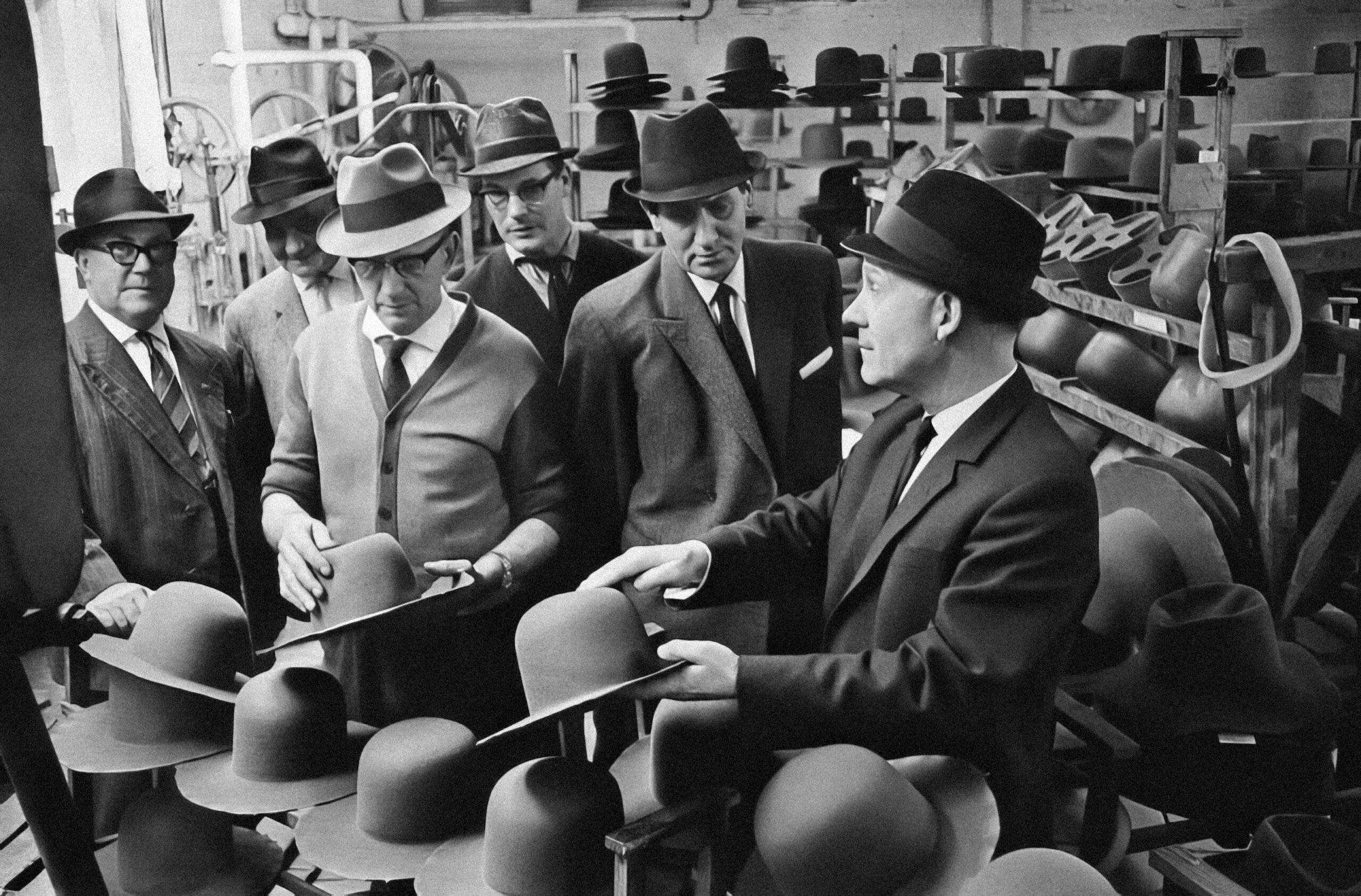
Hats for men have adorned heads throughout history, serving not just as practical accessories but also as significant cultural symbols. From the wide-brimmed hats worn by ancient civilizations to the stylish fedoras of the early 20th century, hats have long been a staple in men’s fashion. Over the years, the styles, uses, and perception of hats have evolved, illustrating their dynamic role in male attire.
Historically, hats for men date back thousands of years. In ancient Egypt, men wore linen headpieces not only for protection against the sun but also to signify their status. Similarly, the Greeks and Romans wore a variety of hats, often indicating their societal roles. During the Middle Ages, hats became integral to one’s social identity, with styles varying widely between the classes. The Hat’s prominence surged in the 17th century, when European men sported elaborate designs, often adorned with feathers and jewels, as a display of wealth and prestige.
The 19th and early 20th centuries marked a golden age for hats. The bowler and top hats became essential for gentlemen, while the flat cap and newsboy cap gained popularity among the working class. These styles were not only functional, providing warmth and protection but also served as a reflection of social status and fashion. During this period, hats for men became synonymous with formal wear and societal expectations.
However, the mid-20th century saw a decline in hat-wearing, particularly in Western fashion. The rise of casual attire and changes in social norms contributed to this trend. By the 1960s, hats were largely viewed as old-fashioned, relegated primarily to formal events or specific occupations, such as the military and law enforcement.
Despite this downturn, the last couple of decades have witnessed a remarkable resurgence in the popularity of hats for men. This revival can be attributed to several factors, including the rise of vintage fashion, the influence of celebrities, and the ongoing trend of personal expression through style. Today, hats are increasingly recognized as versatile accessories that can elevate an outfit, from casual looks to more formal attire.
Fashion icons and celebrities have played significant roles in reintroducing hats into the modern male wardrobe. Artists, actors, and influencers are often seen wearing fedoras, snapbacks, and beanies, helping to reshape the perception of hats as stylish and trendy. This resurgence has led to a broader acceptance of various hat styles, encouraging men to experiment and express their individuality.
Moreover, the world of casual wear has embraced hats, with baseball caps and bucket hats becoming symbols of urban street fashion. This cross-pollination of styles, incorporating elements from different cultures and eras, has resulted in an incredible variety of options for men looking to enhance their outfits with headwear.
In conclusion, hats for men have evolved significantly throughout history, transitioning from symbols of status to everyday accessories. The modern resurgence in their popularity reflects changing attitudes towards fashion and personal expression, allowing men to embrace styles that resonate with their identities. As hats continue to capture the imagination of fashion enthusiasts, they remain an enduring element of men’s style, bridging the gap between history and contemporary fashion trends. Whether for function or fashion, hats for men are undeniably back, and they’re here to stay.